
How Long Does a Dental Implant Procedure Take?
When people search for how long does a dental implant procedure take, they are often planning treatment and want a clear idea of the timeline. Dental implants replace missing teeth with a secure and natural-looking solution. The process involves several stages that allow the implant to settle into the jawbone properly.
At Precision Implant Clinic in Banbridge, County Down, patients receive implant treatment from a team with strong experience in implant dentistry and minor oral surgery. The clinic accepts referrals from dentists and also welcomes patients who contact the clinic directly.
This guide explains the full timeline of dental implant treatment, what happens at each stage, and what patients across Northern Ireland can expect when planning their procedure.
What Is a Dental Implant?
A dental implant is a small titanium post placed into the jawbone to replace the root of a missing tooth. Once healed, a crown is attached to the implant so the tooth looks and functions naturally.
Many patients choose implants because they provide a long-term option for missing teeth. Unlike removable dentures, implants stay fixed in the mouth and feel similar to natural teeth.
People searching for dentists in Northern Ireland often want clinics with training in implant procedures and oral surgery. Implant treatment requires careful planning, advanced equipment, and experience working with bone and gum tissue.
Dental implants are commonly used to replace:
- A single missing tooth
- Several missing teeth
- Full arch tooth loss
- Teeth that cannot be saved
Before treatment begins, a detailed consultation is carried out.
Step 1: Consultation and Treatment Planning
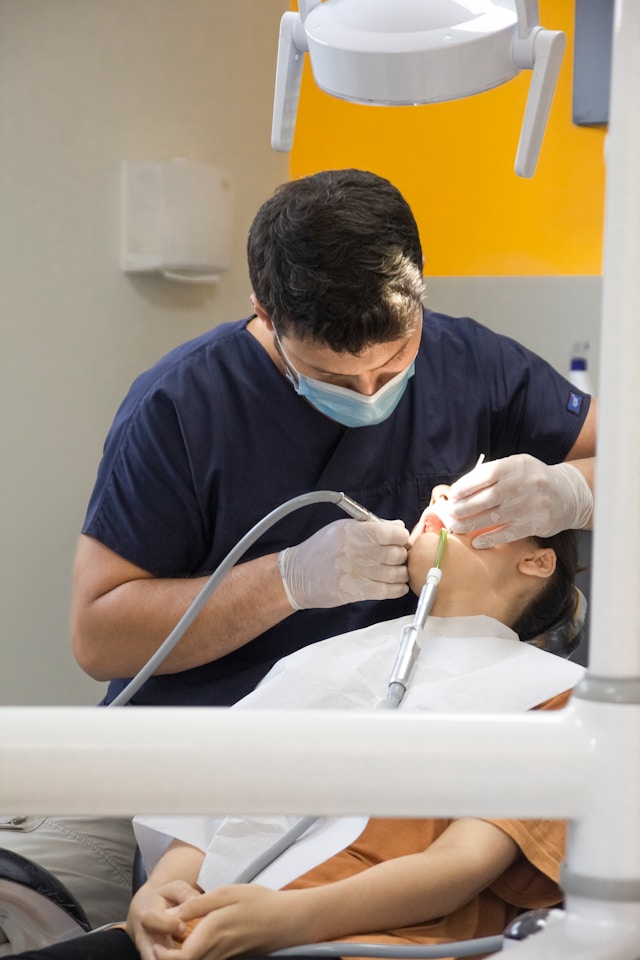
The first stage of treatment is the consultation. This appointment usually takes around 30 to 60 minutes.
During the consultation, the dental team will:
- Review medical history
- Examine teeth and gums
- Take X-rays or a 3D scan
- Check bone density
- Talk through treatment options
These scans allow the dentist to see the structure of the jaw and plan the implant position carefully.
Patients visiting dentists in Northern Ireland for implants often ask how quickly treatment can start. In most cases, the planning stage happens first so that the implant procedure is safe and predictable.
After the consultation, the clinic prepares a treatment plan. This outlines the number of implants needed, healing time, and final restoration.
Some patients can move to the next stage quickly. Others may require preparatory treatment such as a bone graft.
Step 2: Preparatory Treatment if Needed
Not every patient needs additional treatment before an implant. However, some people have lost bone in the jaw after a tooth has been missing for a long time.
In this situation, a dentist may recommend:
- Bone grafting
- Sinus lift treatment
- Removal of damaged teeth
These procedures help create the right foundation for the implant.
Healing after bone grafting usually takes several months. This stage allows the bone to develop strength before the implant is placed.
Many dentists in Northern Ireland follow this careful approach because implants rely on strong bone support. Without it, the implant may not settle correctly.
Although this stage can extend the total timeline, it improves the long-term result of the treatment.
Step 3: The Dental Implant Placement Procedure
The implant placement appointment is the stage many people ask about when searching how long does a dental implant procedure take.
The actual surgery is usually quicker than people expect.
For a single implant, the procedure often takes:
60 to 90 minutes
During the procedure:
- Local anaesthetic is given
- The gum is gently opened
- The implant is placed into the jawbone
- The area is closed with small stitches
Patients remain comfortable during the appointment, and most people return home shortly after treatment.
Some clinics also provide sedation for patients who feel nervous about oral surgery.
After the implant is placed, healing begins.
Step 4: Healing and Bone Integration
Healing is one of the most important stages of implant treatment.
After placement, the jawbone gradually connects with the implant surface. This process is called osseointegration.
This stage usually takes:
3 to 6 months
During this time, the implant becomes stable in the bone. Once healing is complete, it can support a crown, bridge, or denture.
Patients are often surprised that the implant procedure itself is quick, but the healing stage takes longer. The waiting period allows the implant to settle naturally into the jaw.
Many patients who visit dentists in Northern Ireland ask if they will have a gap during healing. In many cases, temporary teeth or dentures can be used until the final tooth is fitted.
Step 5: Attaching the Final Crown
After healing, the dentist prepares the final restoration.
This stage usually includes:
- A scan or impression of the implant
- Creating the crown in a dental lab
- Fitting the crown onto the implant
The fitting appointment is usually short and straightforward.
Once attached, the crown looks similar to a natural tooth and allows normal eating and speaking.
At this stage, the dental implant treatment is complete.
Total Time for the Full Implant Process
People asking how long does a dental implant procedure take are often referring to the full treatment timeline.
For many patients, the complete process takes:
3 to 6 months
However, the timeline can vary depending on:
- Bone condition
- Number of implants
- Gum health
- Need for bone grafting
- Healing speed
Some advanced cases allow same-day implants, though this depends on individual suitability.
Clinics offering implant treatment across Northern Ireland usually plan treatment carefully so patients understand each stage before starting.
Aftercare and Recovery
Recovery after implant placement is usually manageable.
Most patients experience:
- Mild swelling
- Slight discomfort
- Minor bruising
These symptoms often settle within a few days.
Dentists normally advise:
- Soft foods for a short period
- Gentle brushing around the area
- Avoiding smoking during healing
- Attending review appointments
Following the care advice helps the implant settle properly.
Patients working with experienced dentists in Northern Ireland often feel reassured by clear aftercare guidance and follow-up checks.
Who Is Suitable for Dental Implants?
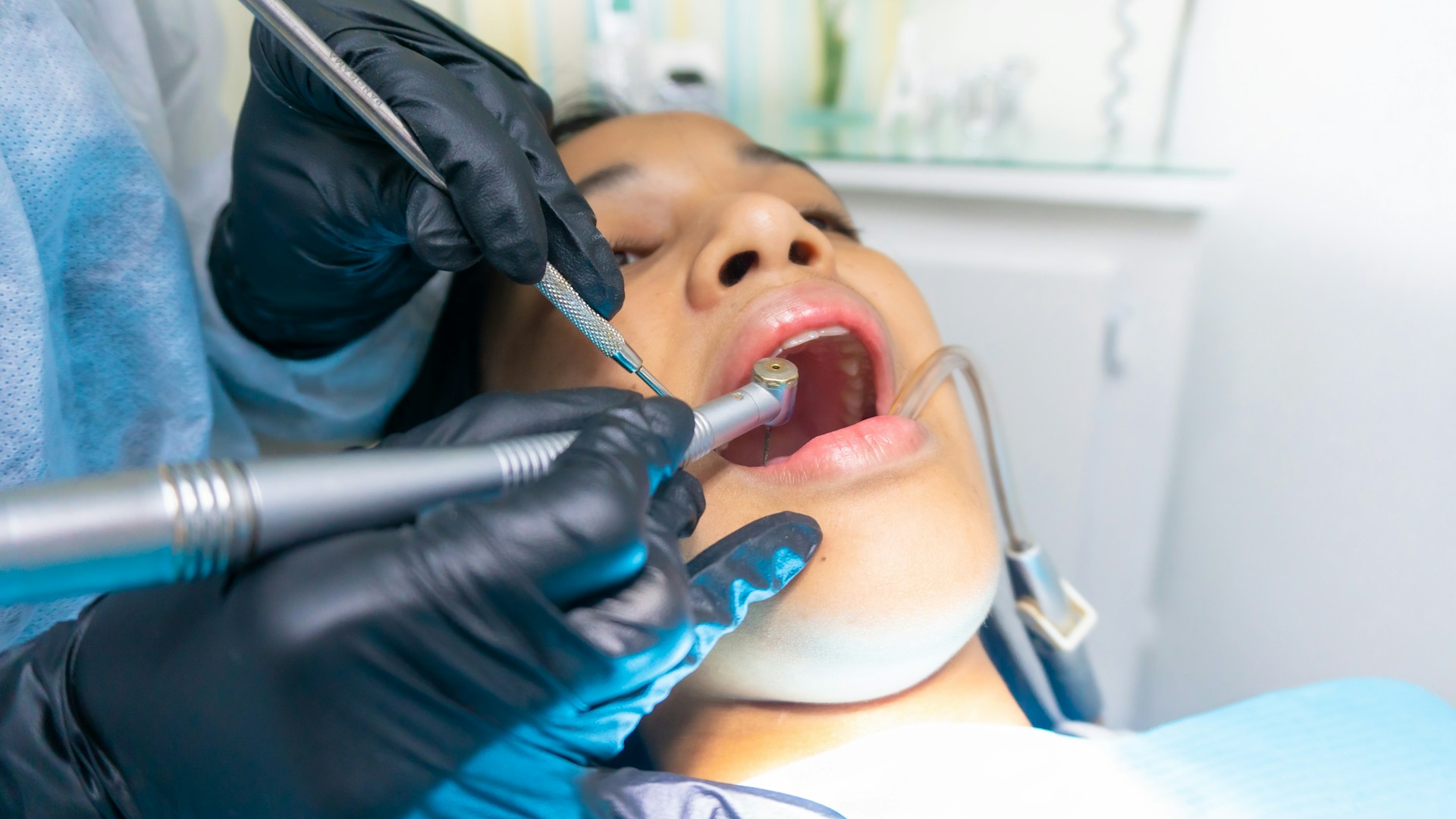
Many adults with missing teeth may be suitable for implants.
Good candidates usually have:
- Healthy gums
- Adequate bone in the jaw
- Good general health
- Commitment to oral hygiene
Smoking and certain medical conditions may affect healing. This is discussed during the consultation.
At Precision Implant Clinic, treatment planning is tailored to each patient so that the best option is chosen for their situation.
Why Experience Matters in Implant Dentistry
Dental implants require careful planning and surgical skill. Choosing a clinic with training in oral surgery and implant dentistry helps patients feel confident about their treatment.
Practices that focus on implant work typically use:
- 3D scanning technology
- Detailed treatment planning
- Modern surgical equipment
- Ongoing professional training
Patients looking for dentists in Northern Ireland often search for clinics with a strong reputation in implant treatment and patient care.
A consultation allows the dental team to explain the process clearly and answer any questions before treatment begins.
Dental Implants at Precision Implant Clinic
Precision Implant Clinic is based in Banbridge, County Down and provides dental implant treatment and minor oral surgery in a modern clinical setting.
The clinic welcomes:
- Referrals from dentists
- Patients contacting the clinic directly
The team focuses on patient care and clear communication so people understand each stage of treatment.
Patients are advised to attend regular dental check-ups before and after implant treatment to support long-term oral health.
Final Thoughts
Understanding how long does a dental implant procedure takes helps patients plan their treatment with confidence. While the surgical appointment may take around an hour, the full process usually spans several months so the implant can settle securely in the jaw.
With the right planning, guidance, and aftercare, dental implants can provide a reliable option for replacing missing teeth.
If you are searching for experienced dentists in Northern Ireland to discuss implant treatment, arranging a consultation is the first step toward restoring your smile and improving everyday comfort.